Birdwatching in the Maasai Mara

Most guests come to the Mara for lions and elephants. Many leave talking about the birds. More than 600 species have been recorded in the Maasai Mara, from tiny sunbirds to some of the largest flying birds on earth. You do not need to be an expert to enjoy them. You just need to look up now and then.
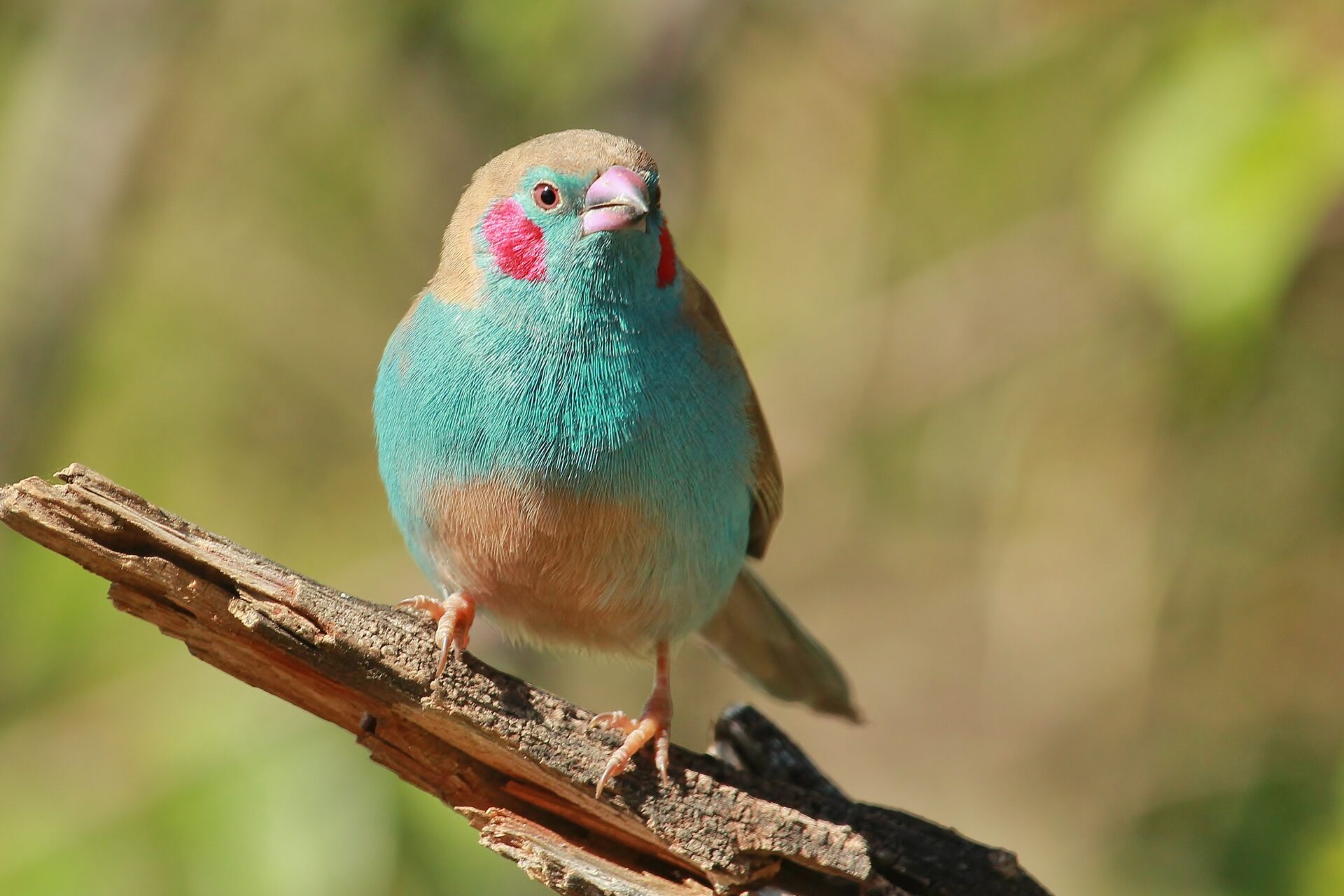
Birds in the Mara

Birds around the camp

Kobe Mara is unfenced and surrounded by natural vegetation. In the few areas where we do plant, we use almost entirely native species, and we do not use pesticides or fertilisers. All of this makes the camp a great place for birds.

The waterhole in front of Kobe House is busy throughout the day, and the old Kobe tree is a favourite place for birds to perch. In the early morning, the whole property comes alive with the sounds of the dawn chorus.

Some easy ones to look out for from the veranda:

  • Superb starling. Shiny blue and orange, and not at all shy.
  • Rüppell’s Starling. Glossy blue and purple, with a long tail and distinctive white eye. Like the Superb Starling, it is often quite approachable around camp.
  • Weavers. Small yellow birds that build round nests hanging from branches. The males of some of our common species have characteristic black heads.
  • Lilac-breasted roller. Possibly the most photographed bird in Kenya, with eight or more colours in its feathers.
  • Doves and hornbills, often coming down to drink at the waterhole.


Birds on the plains

Out on a game drive, keep an eye on the grass as well as the trees.

  • Secretarybird. A tall bird of prey that walks the grassland on long legs, hunting snakes and lizards.
  • Kori bustard. One of the heaviest birds that can still fly. Males puff up their white neck feathers to impress females.
  • Grey crowned crane. Elegant, with a golden crown. Often seen in pairs near wetter ground.
  • Maasai Ostrich. Hard to miss, and fun to watch when they run.
  • Southern ground hornbill. Big, black and slow-walking, with a bright red face. Its deep booming call carries for kilometres.
Colorful bird perched on a zebra’s back in the savannah.

Birds of prey and vultures
The Mara is excellent for raptors. Look for tawny eagles and martial eagles on top of trees, and the bateleur gliding low with its short tail and rocking flight. Vultures gather wherever there is a kill. These birds are often underappreciated, and their beauty can easily go unrecognised. They also play an incredibly important role in keeping the ecosystem clean. Several African vulture species are now endangered, making the opportunity to see large numbers of them together increasingly special.

The best time for birdwatching
You can watch birds all year, but November to April is the highlight. Migratory birds arrive from Europe and Asia, and many local species are in their bright breeding colours. The green season after the rains is especially rich.

A few tips

  • Go early. Birds are most active in the first hours after sunrise.
  • Bring good binoculars. A pair of 8×42 or 10×42 works well.
  • Photograph birds. Even a quick photograph can make it much easier to identify an unfamiliar bird later.
  • Take a field guide such as Birds of East Africa, or use a bird app.
  • Sit by the waterhole. Some of the best sightings happen when you simply stay still for half an hour with a cup of coffee.
  • Ask our team. They grew up here and know many of the birds and their calls.

Interested in a stay focused on birds and nature? Get in touch and we will help you plan it around the best season.
 

Related blogs

Birds

Birdwatching in the Maasai Mara

More than 600 species have been recorded in the Maasai Mara, from tiny sunbirds to some of the largest flying birds on earth.

Seasons

When to Visit the Maasai Mara: Seasons and What to Pack

People often ask us when the best time is to come to the Maasai Mara. Our honest answer: there is no bad month.