Kobe Mara was featured in Nomad Magazine (Nomad Africa), Issue 49 — “Legacy” — published in November 2025. Nomad is one of East Africa’s most respected independent travel titles, and its Legacy edition explored the people and places leaving a lasting mark on African travel. In her editor’s letter, Charlotte Breuking introduced our story as “a powerful look at responsible leadership and how one person’s work can inspire many.”
The feature, “Her Land, Her Legacy: The Story of Kobe Mara,” tells the story of our founder, Jacky Sairowua — a Maasai woman who built a boutique safari camp on her own family’s land at the edge of the Maasai Mara, and who is among very few Maasai women to hold meaningful ownership in a tourism enterprise.
Read the full article: Download the article (PDF)
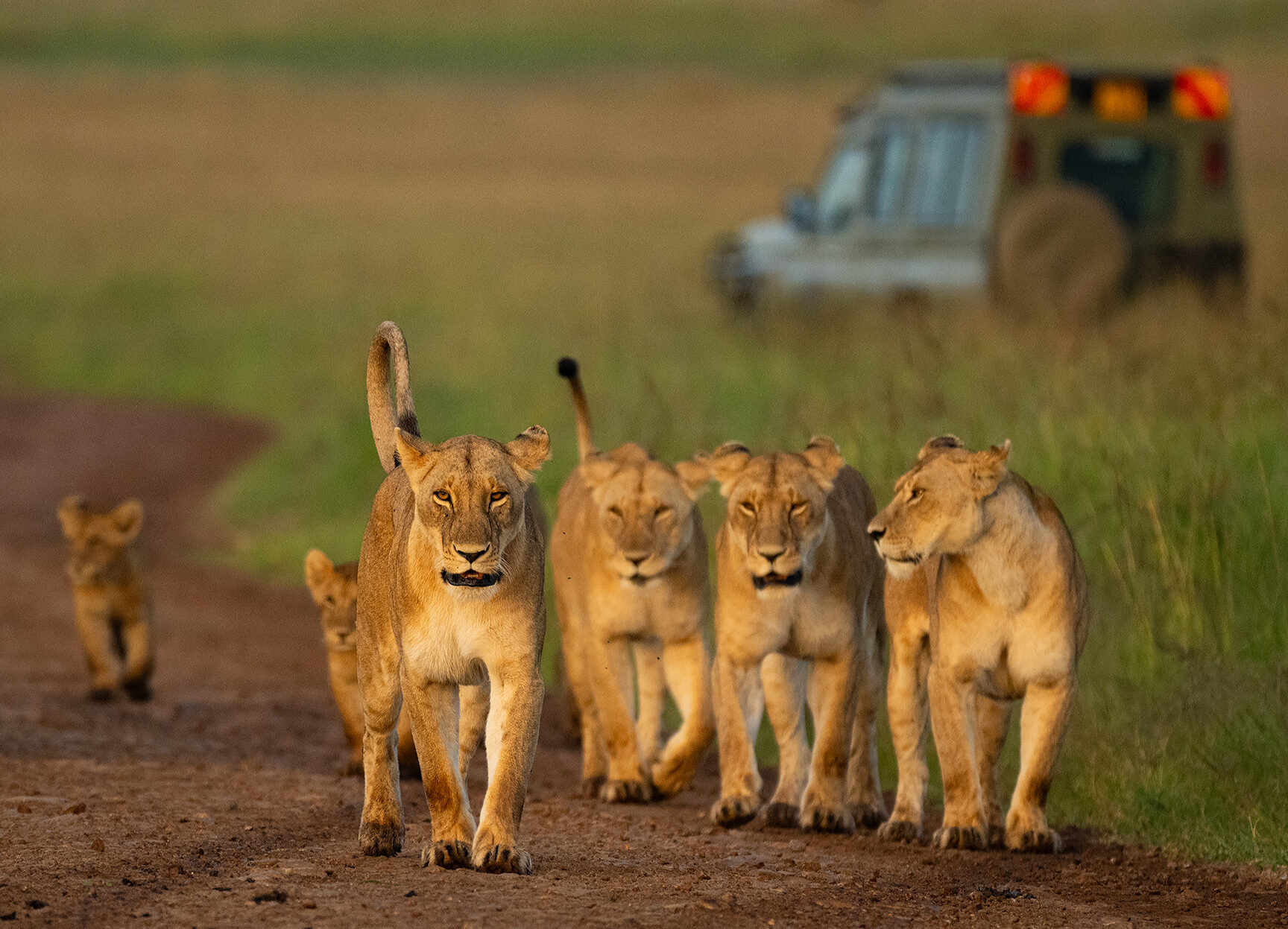
The Maasai Mara needs no introduction. It’s one of the world’s premier wildlife destinations, where the Great Migration, charismatic big cats, and breathtaking scenery meet the vibrant, deeply rooted culture of the Maasai people. Yet, feeding off this irresistible mix of natural beauty and cultural allure, the tourism industry has often been accused of exploiting this wonder. For some, the Mara has even become a place to avoid. But should it be? Should one of nature’s greatest spectacles really be crossed off your travel list? Or should it be approached with greater care and intentionality? Is it still possible to visit ethically, to experience its magic while supporting the ecosystem and the community that protects it?
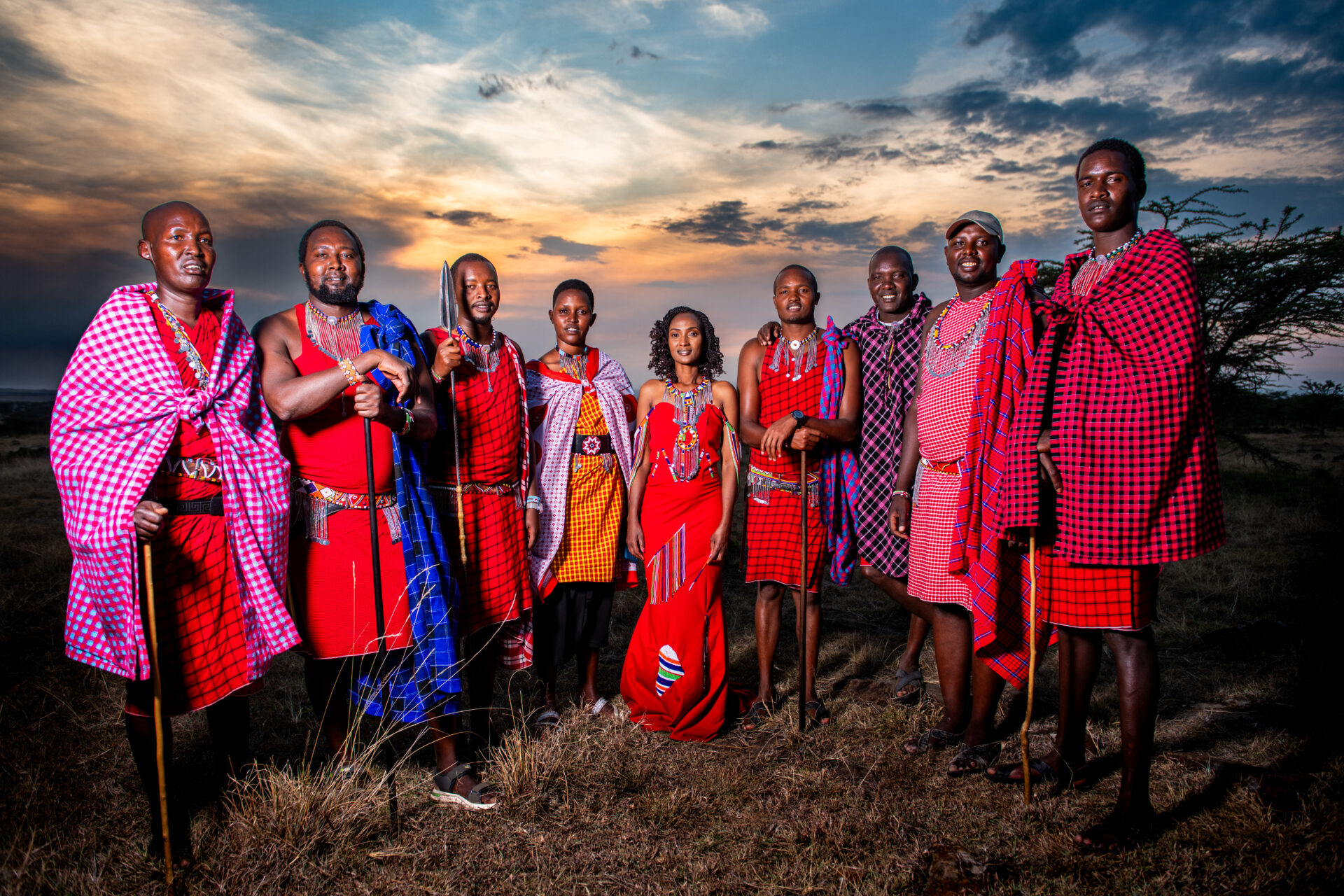
It is Jacky’s story that makes us hopeful, and wanting to visit the Mara tomorrow. Kobe Mara, founded nearly seven years ago by Jacky Sairowua and her family — husband Mike, daughter Fiona, and son Gian — Kobe (meaning “tortoise” in Swahili) is the realization of a Maasai woman’s dream to break into the tourism industry. Jacky is among very few Maasai women to own meaningful shares in a tourism enterprise, a rare achievement in a field where female Maasai ownership remains strikingly low. Her goal is not only to run a sustainable business but also to inspire the next generation of Maasai entrepreneurs.
Jacky’s journey began near the town of Talek, on the edge of the Maasai Mara National Reserve. As the second-oldest daughter in a large family, she was, at a young age, given to an elderly woman with no children — whom Jacky affectionately refers to as her grandmother — to be raised in her care. It’s a practice that builds community and is not uncommon in Maasai culture. When her grandmother passed away during Jacky’s early teens, she returned to her family, who encouraged her to continue her education at Siana Boarding School, one of the most respected in the region. Yet her path was not without further challenges. Soon after, she faced an arranged marriage proposal, which she bravely resisted. The strength and resilience she showed as a young woman became the foundation on which she has built her life.
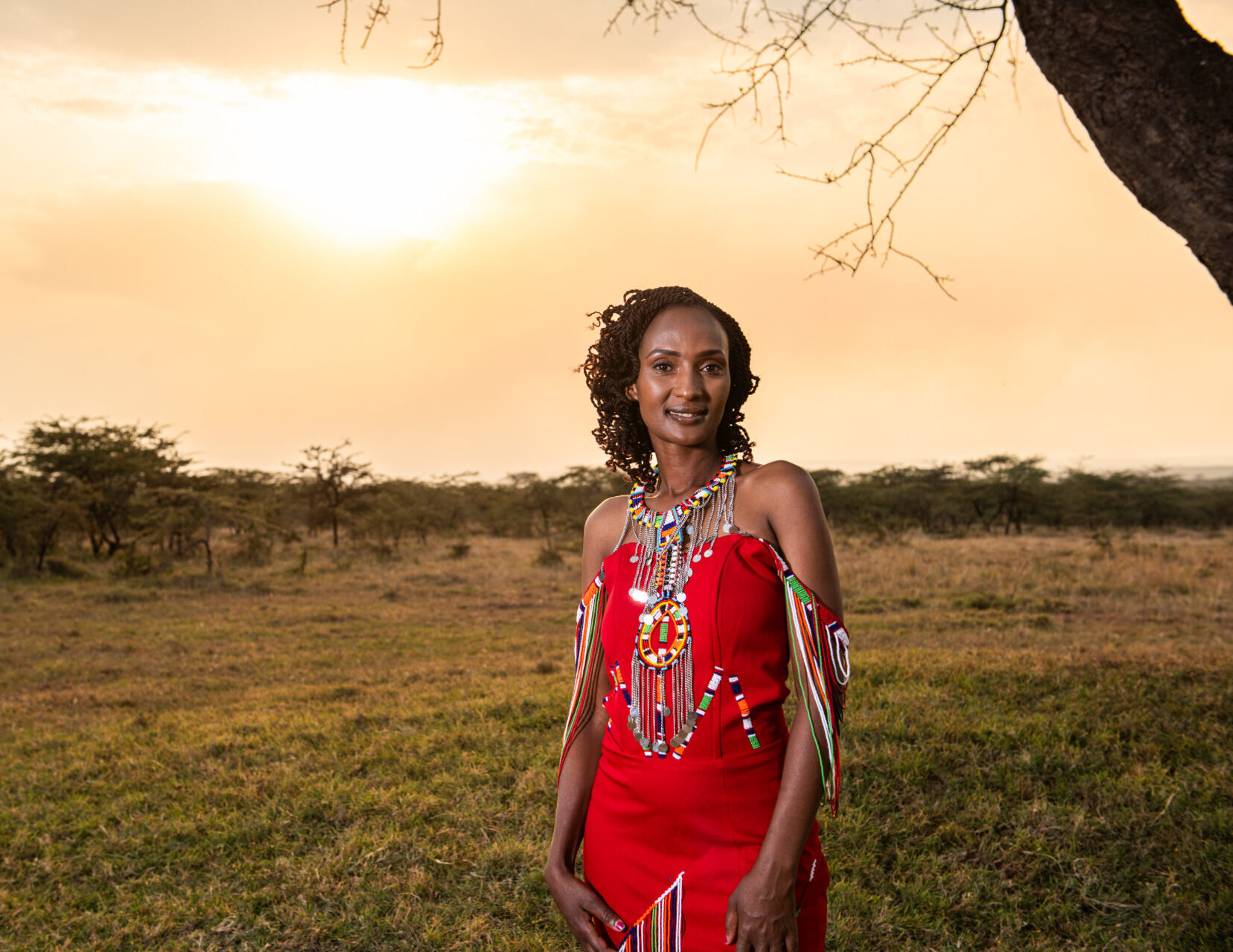
Like most Maasai children, Jacky grew up surrounded by wildlife, watching as visitors from around the world came to experience the Mara each year. For her, it was part of everyday life — familiar, yet distant. In her early twenties, after meeting and falling in love with her husband Mike, she began to see the Maasai Mara from a new perspective, shaped in part by his experiences as a balloon pilot. It was no longer just her backyard, but an environment she came to value deeply, and one she felt inspired to build her life around.
The first step toward this vision was building their family home on her land in the heart of the Mara. Their eldest daughter, Fiona, grew up watching lions, elephants, and giraffes from her bedroom window. As friends and family visited, it quickly became clear they had created something special — a home in a truly remarkable place. From this, Jacky was inspired to open their home to others, and the idea of Kobe Mara was born.
The early years of Kobe Mara were some of the happiest of Jacky’s life. Sharing her home, the Maasai Mara’s wildlife, and her culture with guests from around the world brought her immense joy. Just as things seemed to be moving in the right direction, the COVID-19 pandemic hit, delivering a devastating blow to her vision. But drawing on the resilience she had developed as a young woman, and with Mike’s support, Jacky sought new investors and rebuilt.
The Kobe Mara you see today reflects that journey. When asked about the future, Jacky’s vision is clear: to see Kobe thrive as a sustainable business that supports families, uplifts the community, protects the ecosystem, and amplifies the voices of emerging Maasai entrepreneurs shaping the future of tourism on their land.
So, if you’re hesitating about whether to visit the Mara, don’t. Come to Kobe Mara and be part of a Maasai woman’s inspiring journey as a tourism entrepreneur in one of the most remarkable landscapes on Earth.